How to plan an RV road trip in 7 steps
Destination, route, campgrounds, costs and checklists: the step-by-step we use to plan every RV trip, with real numbers.
September 2, 2026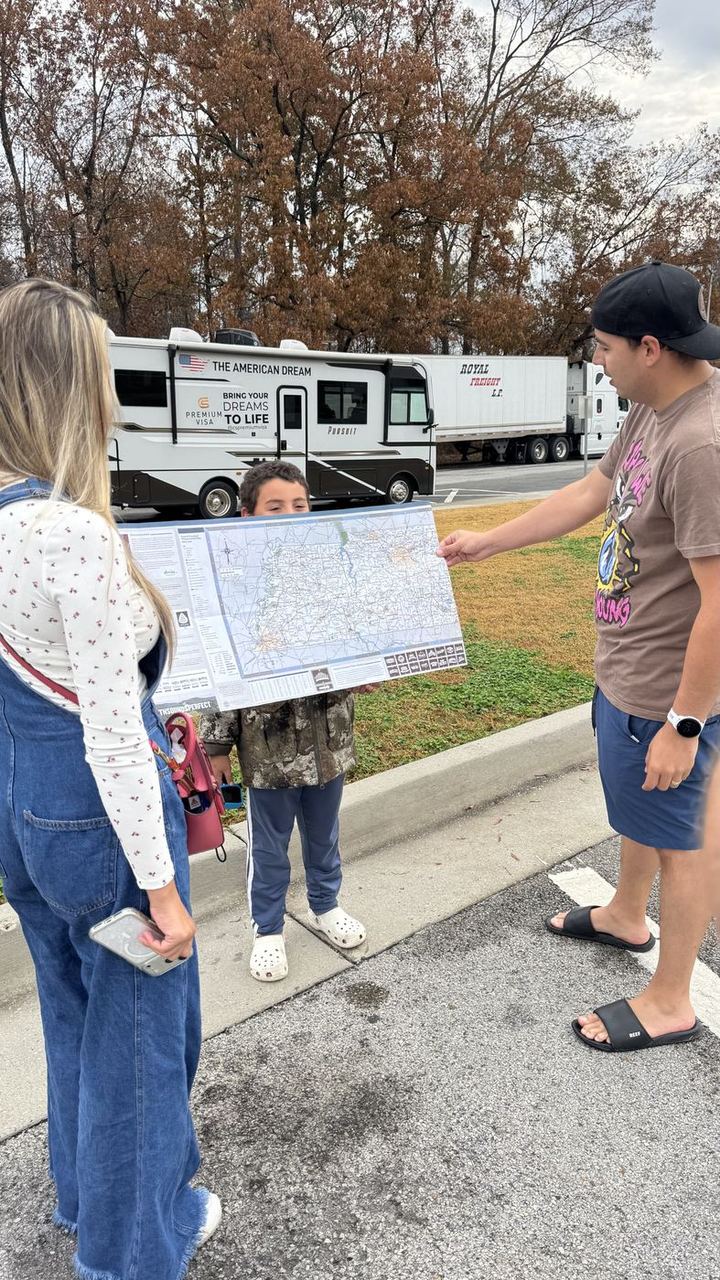
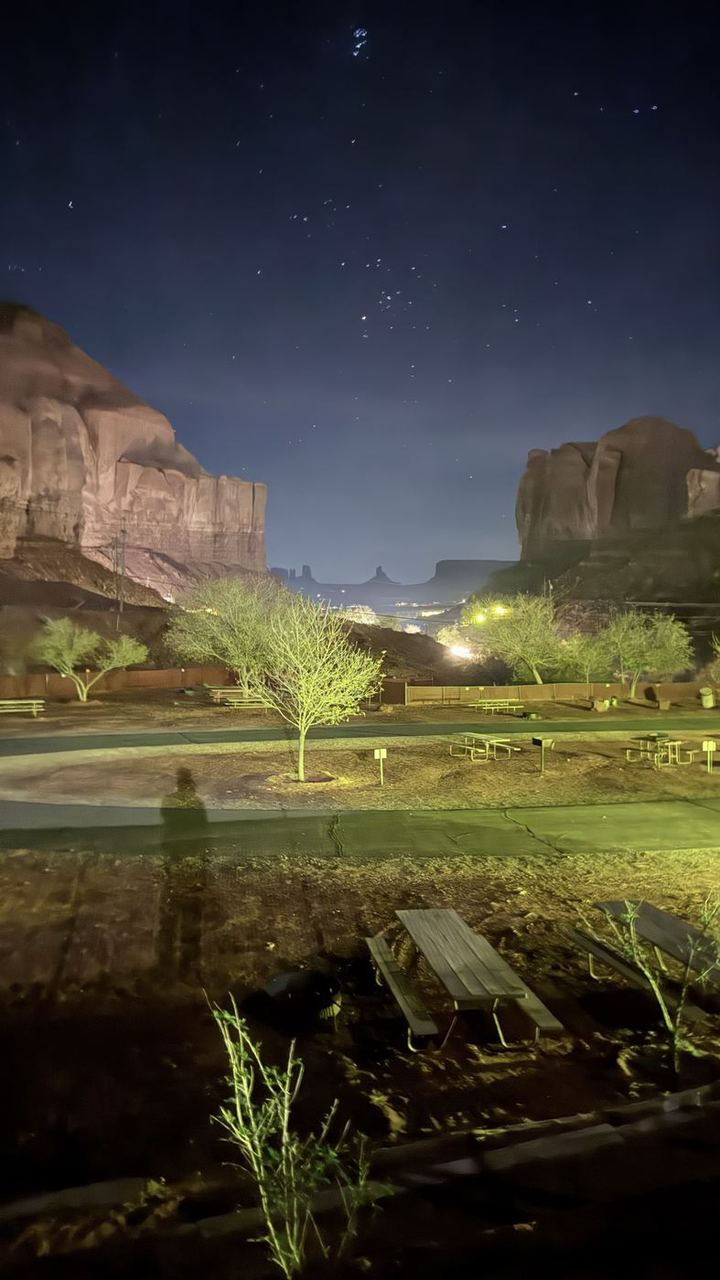
Planning is half the fun. And honestly, with my pilot side, it is my favorite part. Here is how we do it, using our first big motorhome trip as an example: Monument Valley, over Thanksgiving.
1. Pick the destination (and the season)
Monument Valley is a magical, mystical, stunning place. And Thanksgiving is that pause in the year to give thanks and reflect. Once we bought the motorhome, the destination was decided. We still needed a route. We invited some friends from Brazil and started drawing up our dream trip.
2. Build the route
Google Maps is our first tool: origin, destination, and then you look at what you want to see along the way and adjust. Our rule: stick to the big highways. Far fewer headaches.
And watch out for restrictions on large vehicles and on vehicles carrying propane. Some apps already show this for you, like AllStays, which flags low clearances, tunnels and other RV restrictions. Even so, we learned a lot the hard way:
- New York: during the World Cup it was really tough. Lots of restricted roads, lots of detours, and we even ended up in an express lane and paid a US$ 160 toll.
- Baltimore: the city's tunnels do not allow vehicles carrying propane, so we had to take the beltway, I-695.
- Chesapeake Bay Bridge-Tunnel: to cross, we went through a checkpoint that confirms your propane is turned off.
- Washington, D.C.: there are tunnels where motorhomes are not allowed, so check your route ahead of time.
The tip: before you leave, look up the restrictions in the big cities along your route, and use RV-specific routing apps that already avoid these spots.
3. Decide how much to drive per day
We are a little crazy: Edu has driven 700 miles in a single day, in the motorhome, on the way to New York, and again on our trip to Yellowstone. It is tough, but one rule makes it doable:
- 3 hours driving, then a 20-minute break
- 3 more hours driving, then a 1.5-hour break (30 minutes to eat and a 1-hour nap)
But the ideal is to have two drivers, switching every 2 or 3 hours. That makes the trip feel easy.
4. Book your campgrounds
Campgrounds do not follow a strict formula. We always prefer to book everything ahead. With the itinerary ready, we first look for campgrounds inside the parks or wherever we will stay the longest. On the drive-through stretches, we sometimes stop overnight at a truck stop or a rest area.
And keep an eye on your RV's water and power capacity: it decides whether you can handle a night of dry camping or need a site with hookups.
5. The apps we use
| What for | App or website |
|---|---|
| Route and destinations | Google Maps and Wanderlog |
| RV campgrounds and routes | RV Life and AllStays |
| Road restrictions (low clearances, tunnels) | AllStays |
| Where to empty your tanks | RV Dump Sites |
| Fuel prices | GasBuddy |
| What is at each highway exit | iExit |
| Weather radar | WeatherBug |
6. How much it costs (real numbers)
To give you an idea, we opened the spreadsheet from our trip from Orlando to Yellowstone. Keep in mind our motorhome gets about 8 miles per gallon, we cook most of our meals in the RV, and on average a public campground runs about US$ 50 a night and a private one about US$ 100.
| Expense | Total (US$) | Notes |
|---|---|---|
| Motorhome fuel | 1,612 | About 8 mpg |
| Rental car fuel | 164 | |
| Campgrounds | 1,103 | Including Yellowstone, Grand Teton and KOA Moab |
| Hotel | 198 | One night |
| Groceries | 1,321 | Costco, Walmart and stores along the way |
| Eating out | 296 | |
| Rental car | 847 | We used it along the trip |
| Bear spray | 108 | Mandatory, at least in our hearts |
| Annual national parks pass | 80 | Covers every national park for 12 months |
| Showers | 59 | |
| Total | 5,788 | Split among 6 people: under US$ 1,000 per person |
In other words: a whole trip from Orlando to Yellowstone and back for under US$ 1,000 per person, with campgrounds, fuel and food included.
7. Make your three checklists
We work with three lists (and we show them in full in our checklist post):
- What to pack: bedding, bathroom, kitchen, grilling, gear and fun stuff, like the surfboard when we are headed to the beach.
- Food: first we plan the trip's menu (Mexican, burgers, pasta, pizza, stroganoff, hot dogs...) and then build the grocery list from it.
- Departure: what to check on the RV before starting the engine, like propane, hydraulic levelers, awning, doors and fuel.
And when things go wrong? Plan B
At Monument Valley, on the first night, we could not find a campground. We ended up sleeping at a Love's (a truck stop chain with RV parking) and it all worked out.
On the same trip, our tank froze because we forgot to turn on the heat. The water would not drain, total chaos. In the end, it thawed with the warmth of the road, and life goes on.
The key is not letting one bad moment ruin the trip: learn from it and do not repeat it.