Brazil's friendly by RV: our World Cup dress rehearsal
From Orlando to New York and Boston to watch Brazil vs France, test a campground and figure out what it would take to bring the motorhome to the World Cup.
September 11, 2026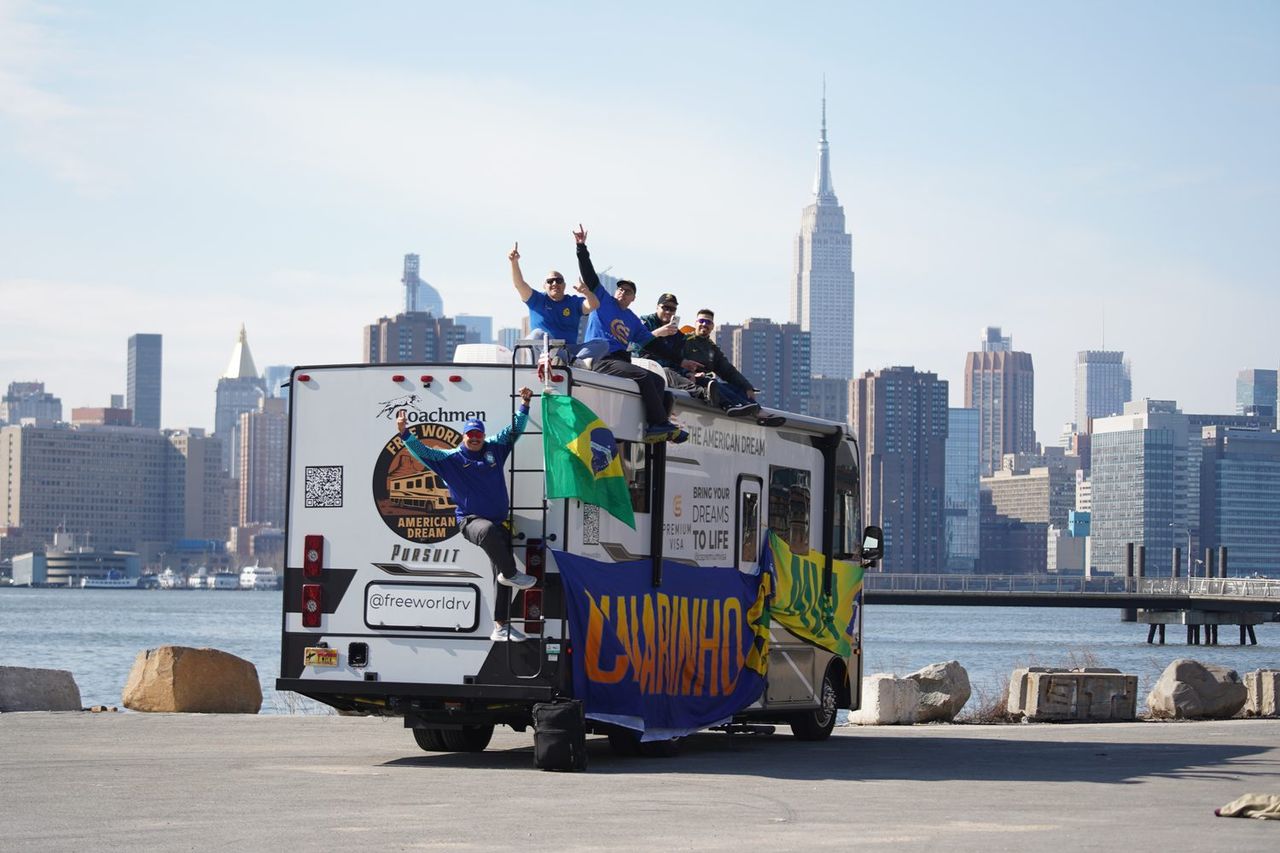
In March 2026, less than three months before the World Cup, Brazil scheduled a friendly against France at Gillette Stadium, near Boston. And we had one question on our minds: can you do the World Cup by motorhome? Where to sleep, how to reach the stadiums, where to park, how many hours of driving... There was only one way to find out: go.
So this trip was a dress rehearsal. More than 2,700 miles (about 4,300 km) between Orlando, New York, Boston and Philadelphia, past three World Cup stadiums. Looking back, it was priceless.
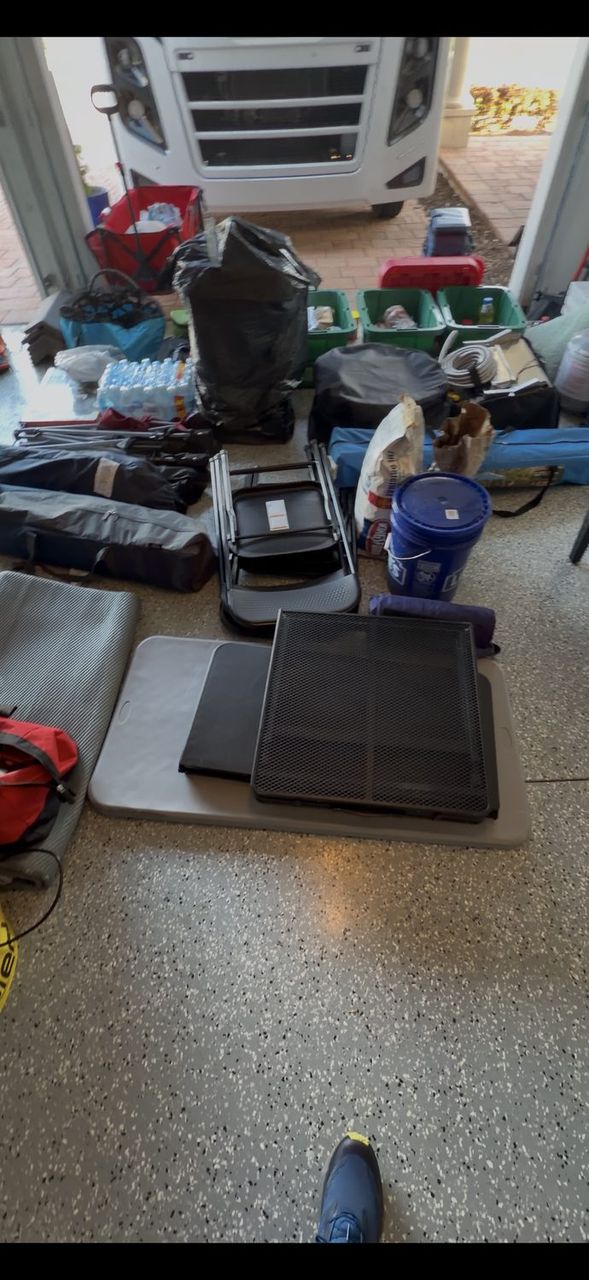
The crew
We were not alone in this: it was a group of die-hard fans, the kind who follow the Seleção wherever it goes, doing their own World Cup prep.
I drove the motorhome solo from Orlando to New York. There, I had lunch with Daniel Leon, who we met online and who organizes a lot for the Canarinho fan group. Thiago and Tutti flew to New York. And on the 25th the whole crew got together, with Hoodi and Felipe Hansen, from Ponta Grossa, Camila's hometown in Brazil, who became a great friend of ours at the World Cup.
The road days
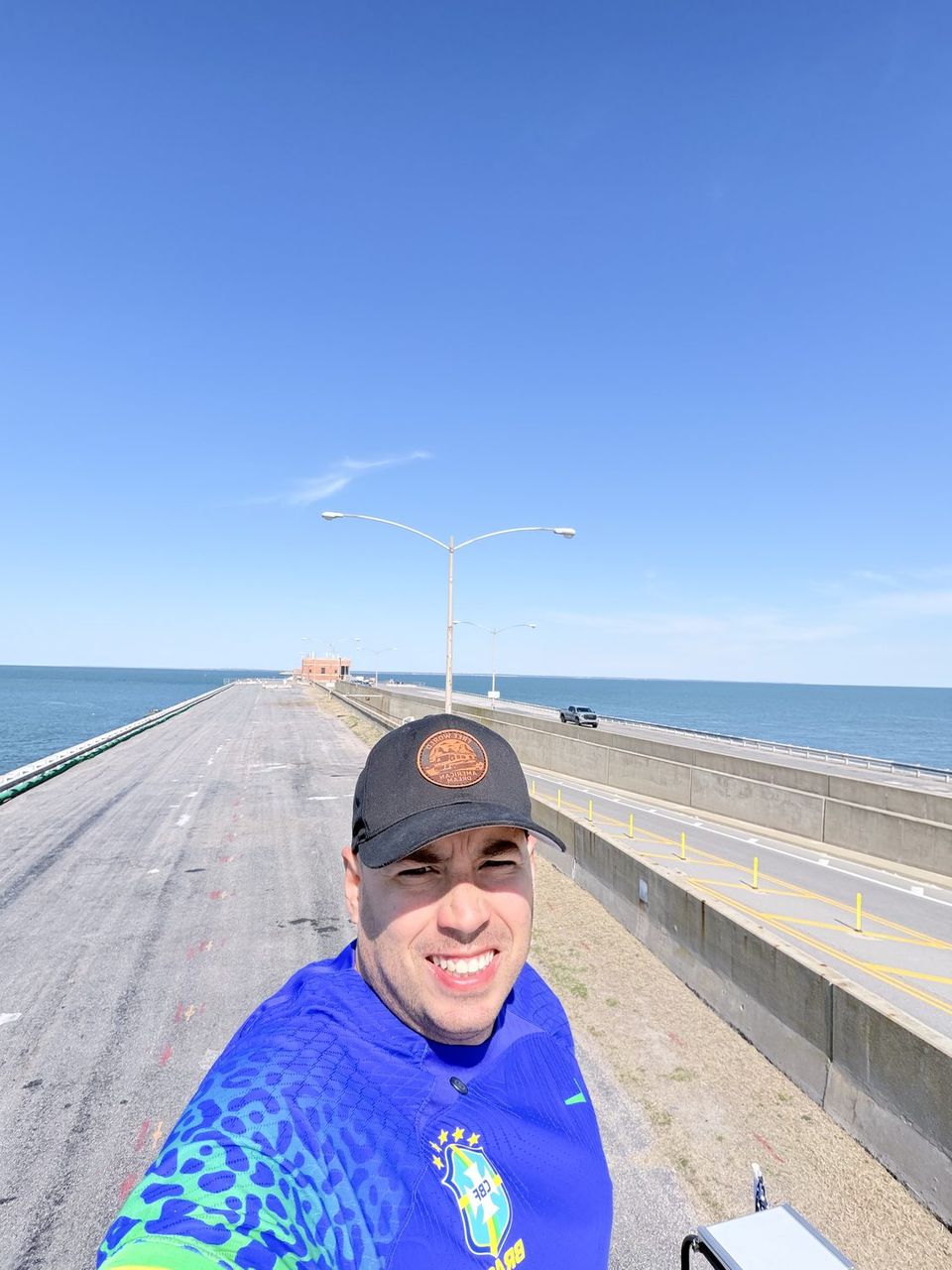
It took two and a half days to get there, just me and the motorhome. Day one was pure driving: I slept at an I-95 rest area in South Carolina, for free. On day two, instead of staying on I-95, I took the coastal route: the Chesapeake Bay Bridge-Tunnel, about 17.6 miles over and under the sea, then the Delmarva Peninsula. This route avoids the Baltimore tunnels, which do not allow RVs carrying propane.
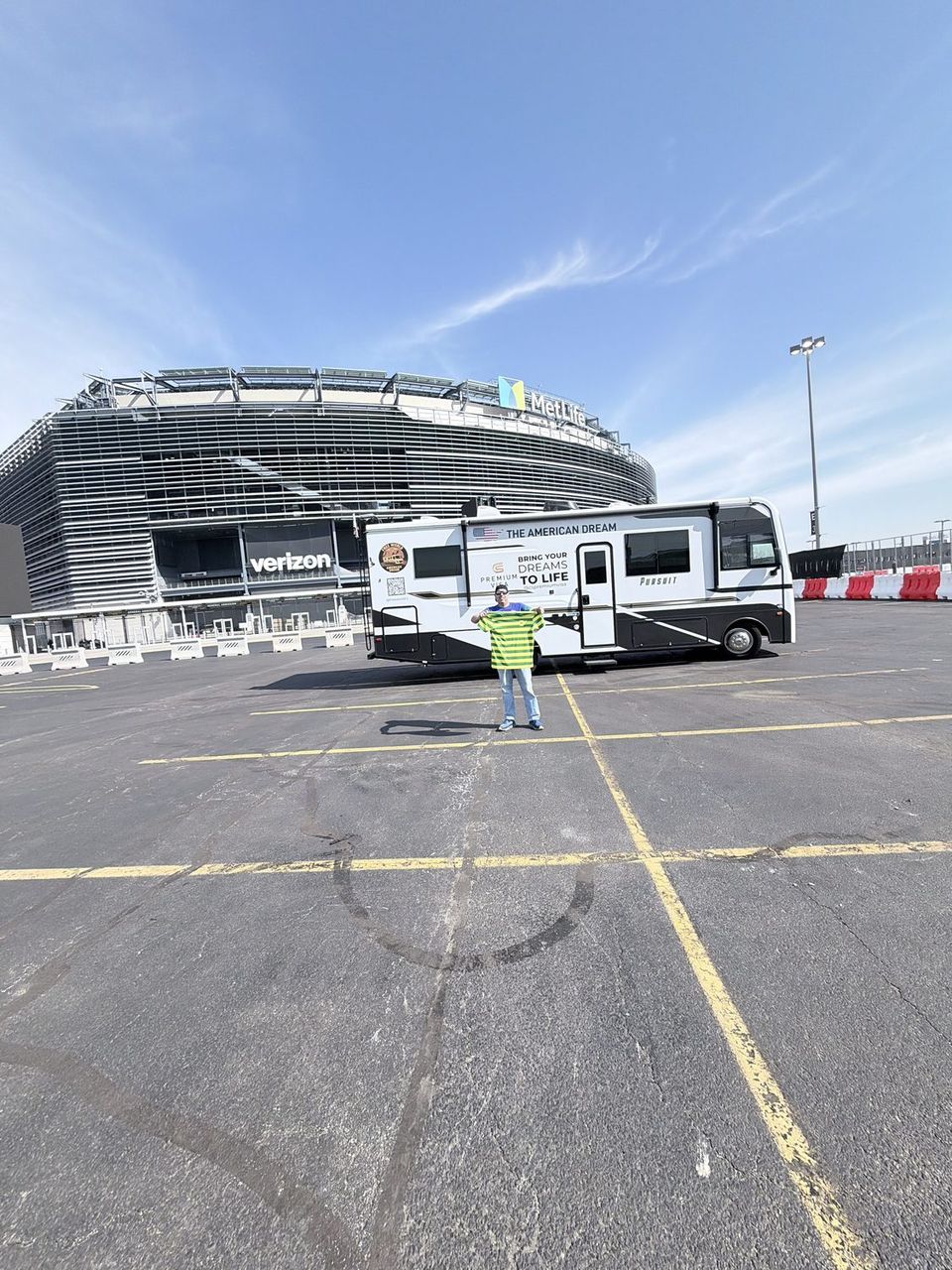
I slept in Dover, Delaware, and on day three I did my first scouting run: MetLife Stadium, home of the World Cup final and Brazil's opening game. I checked the parking lot and how a motorhome would get in. A Mexican lunch next door with Daniel Leon, who then headed to his hotel, and, in the afternoon, check-in at the campground in Brooklyn.
New York: the campground that wouldn't work
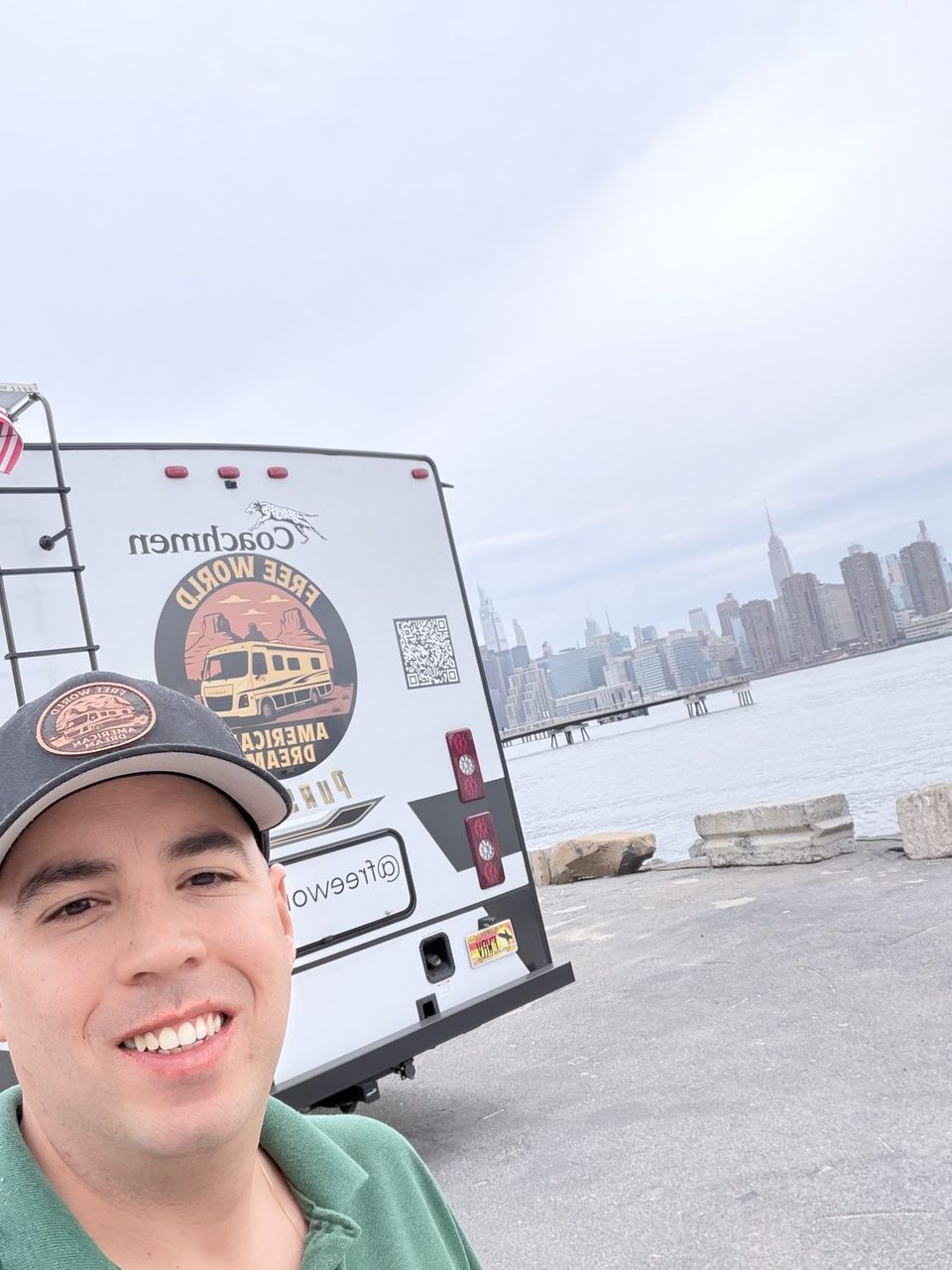
Our base was Skyline RV Camp in Brooklyn, with Manhattan across the river. We paid US$ 120 a night. We had booked Skyline Waterfront, but at the last minute we found out there would be an event and ended up in the outside lot, which is basically a parking lot. And neither area has sewer, only power. The restroom is actually good. But that is where we learned this campground would not work for the World Cup. I told the whole story in our post on RV camping in New York City.
Boston and the game
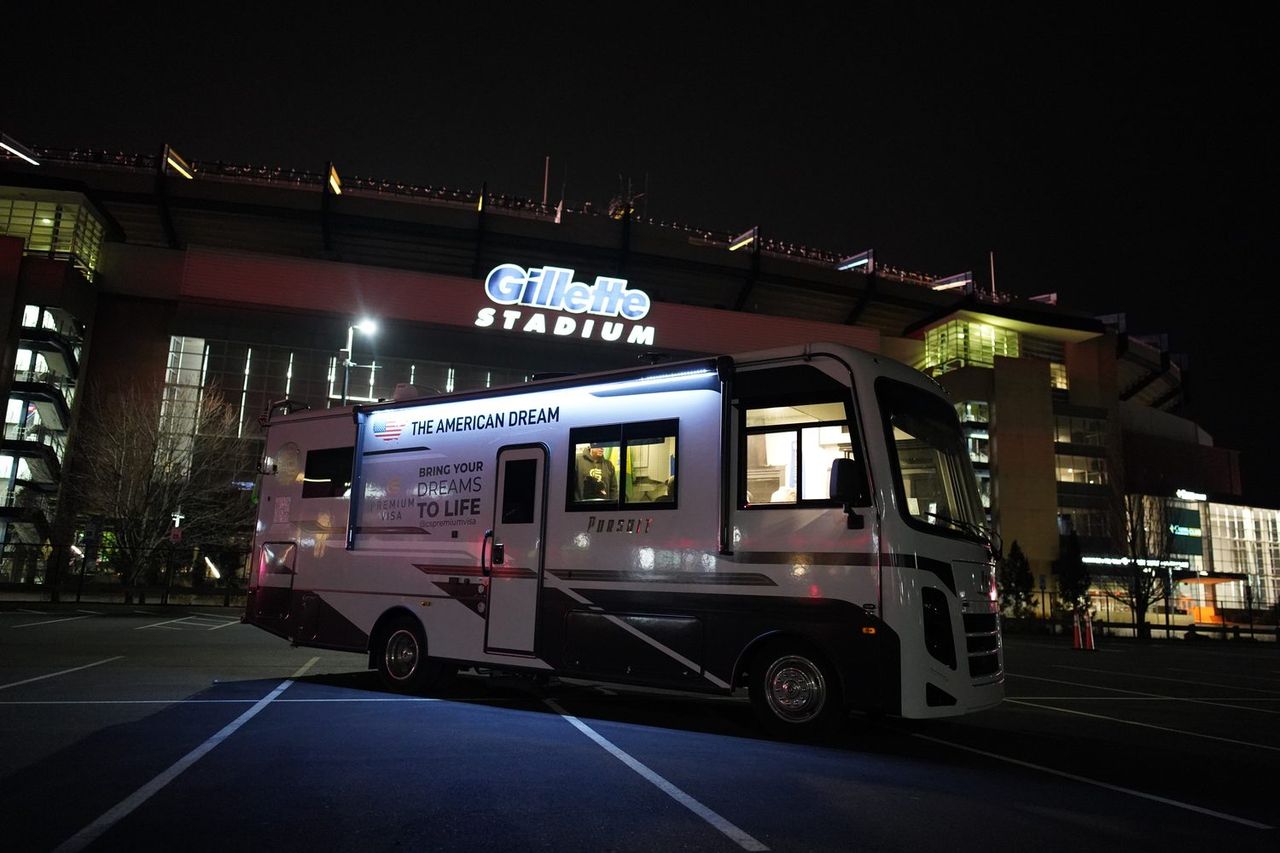
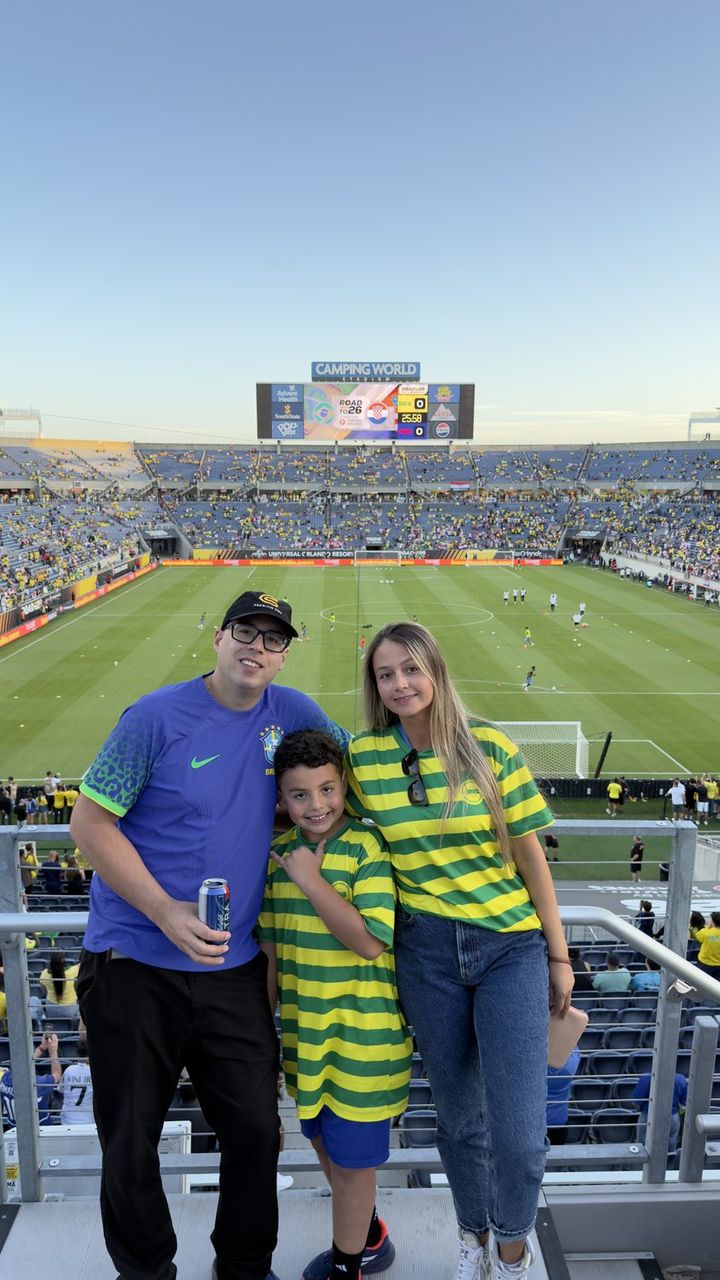
On the 25th, the whole crew piled into the motorhome and headed to Foxborough. We got to Gillette Stadium at night just to check the parking and logistics, and slept in Boston. On the 26th, game day: Brazil lost 2-1 to France (Mbappé and Ekitiké for them, Bremer for us). But the fans made the trip worth it.
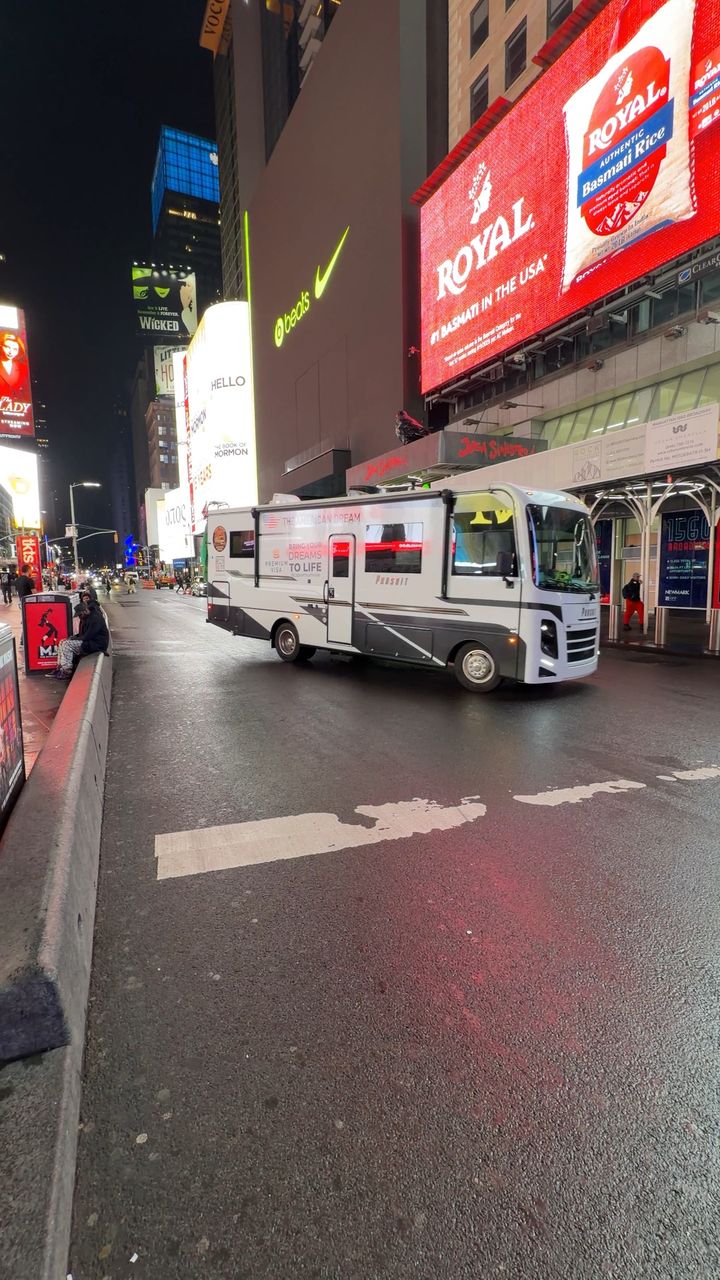
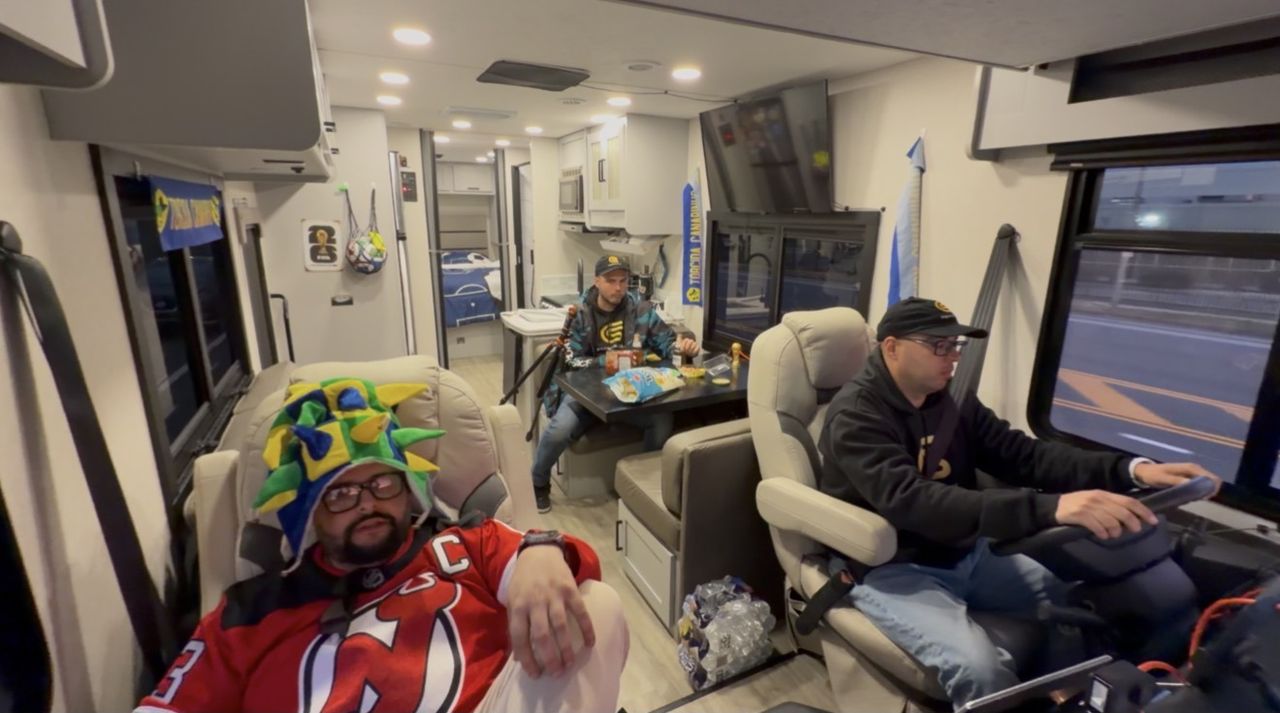
The ride back to New York was me, Thiago, Tutti and Hoodi. We drove the motorhome through Times Square and slept at a New Jersey Turnpike service area, a few minutes from MetLife.
Philadelphia and the drive home
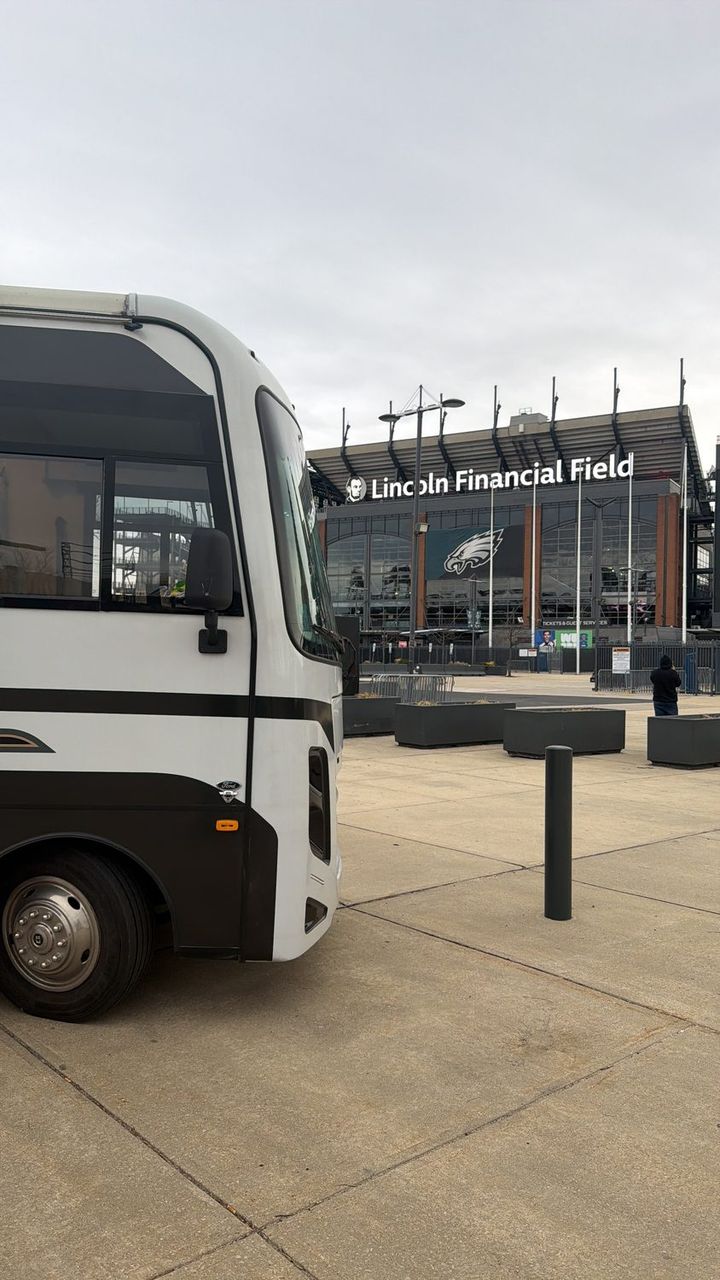
On the 27th, back at MetLife in the morning, this time testing the New Jersey side approach. Then Philadelphia: the Rocky Steps (a must!), the Amtrak station, where Hoodi got off and took the train back to New York, where he was spending some time, and Lincoln Financial Field, another stadium where Brazil would play at the World Cup. One more rest area night in Virginia and, on the 28th, Orlando.
What we took away from this trip
- The right campground makes all the difference: at the World Cup, we stayed somewhere else, on the New Jersey side.
- An RV route is not a car route: tunnels, bridges and propane change the way.
- Scouting the stadiums ahead of time saved us a lot of headaches on game days.
- Rest areas and service plazas handle the road nights, for free.
And a confession: I should have filmed more. But I was still in amateur mode, LOL. For the World Cup, we came prepared!
The lessons became posts: an RV at the World Cup and the road to the stadiums and RVs, propane and tunnels on the East Coast.